
Department
VFX, CGI & Simulation
Create the impossible.
Department Overview
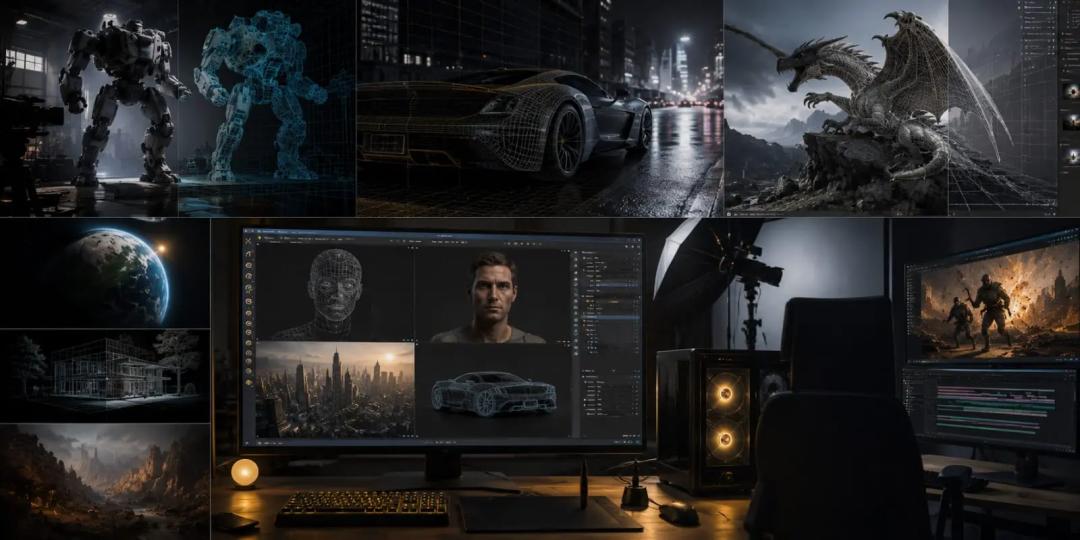
How are impossible scenes created for films, OTT shows, advertisements, games, and digital media? A real actor can appear inside a completely digital environment. A simple shot can be transformed with CGI. Fire, smoke, water, particles, and destruction can be created without filming the real event.
This is where VFX, CGI, and simulation come together. At OREAL World, the VFX and CGI courses in Noida offer different routes into digital visual production. Each programme focuses on a different part of the process, so students can choose a path based on the kind of work they want to create.
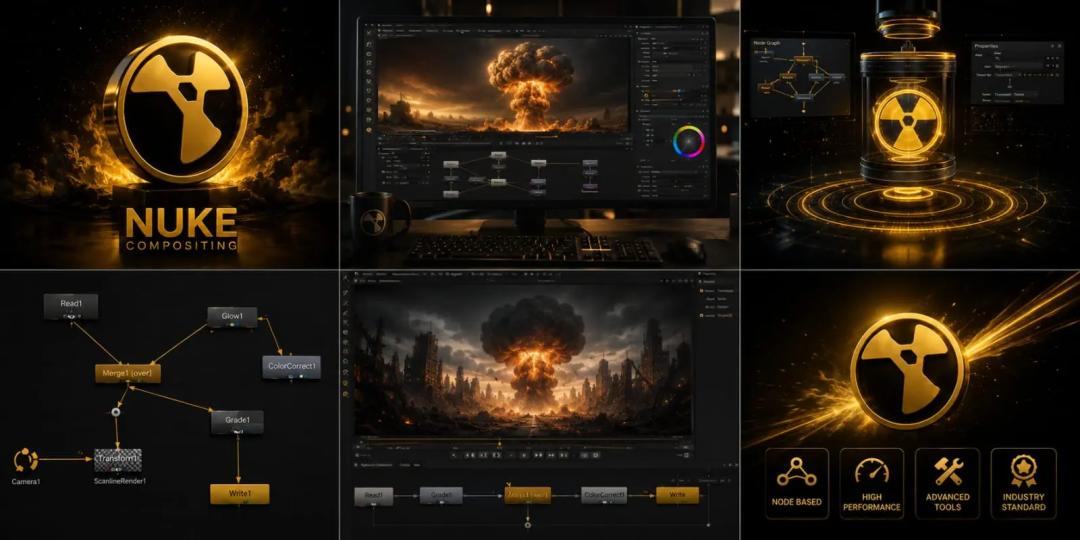
VFX & Compositing bring different visual elements together that create a believable shot. Students interested specifically in professional compositing can explore the Nuke Compositing Program, which focuses on node-based workflows and complex VFX shots.
For students fascinated by fire, smoke, destruction, particles, fluids, and procedural effects, the Houdini FX Program provides a more specialised direction into simulation and FX production.
CGI Production takes a different approach. Instead of starting with live-action footage, artists can create digital objects, environments, and complete scenes from scratch. These visuals can be used across cinematic content, advertising, gaming, and digital media.
Students who are interested in VFX and CGI but unsure about what they should choose, they can explore the VFX & CGI Production Career Program. It provides broader exposure to different production areas before students decide where they want to focus.
Ecosystem & Proficiency
Software We Master
 Nuke
Nuke Houdini
 Adobe After Effects
 Runway
 ChatGPT
FAQ — VFX, CGI & Simulation
It depends on what interests you most. Choose VFX & Compositing if you enjoy combining footage and digital elements, Nuke if you want to focus on compositing, Houdini FX if you are interested in simulations and procedural effects, and CGI Production if you want to create digital visuals from scratch. The Career Program is suitable if you want broader exposure before choosing a specialisation.
Yes. Beginners can start with the fundamentals of VFX, CGI, compositing, and related workflows. You do not need previous professional VFX experience to begin learning.
Not necessarily. Different VFX roles require different skills. Visual observation, creativity, attention to detail, problem-solving, and regular practice are useful starting skills. Some specialised areas may involve more technical or procedural workflows as you progress.
VFX can involve combining live-action footage with digital elements to create a final shot. CGI refers to computer-generated visuals such as objects, environments, characters, or complete scenes. CGI can therefore be one part of a larger VFX workflow.
Depending on the programme, you can work on compositing shots, green-screen work, tracked shots, CGI scenes, digital environments, simulations, and cinematic VFX projects. These projects can contribute to your portfolio or showreel.
Yes. VFX and CGI are used in OTT content, advertising, animation, gaming, product visuals, cinematic content, and other digital media. The specific career opportunities depend on your specialisation, skills, and portfolio.
No. If you already know what interests you, you can choose a specialised programme. If you are still exploring, a broader career programme can help you understand different areas before deciding where to focus.
Want the full curriculum?
Get the 2026 Course Guide and Career Outcomes report.
Career Trajectories
Our students turn creativity into career opportunities through production-focused learning and industry exposure.
Technical Track
- Technical Artist
- Gameplay Programming
- Engine Developer
Creative Track
- Level Designer
- UI/UX Designer
- Narrative Designer
Production Track
- Game Producer
- Esports Manager
- Creative Director