
Department
Game Design
Design the experiences others can't put down.
Department Overview
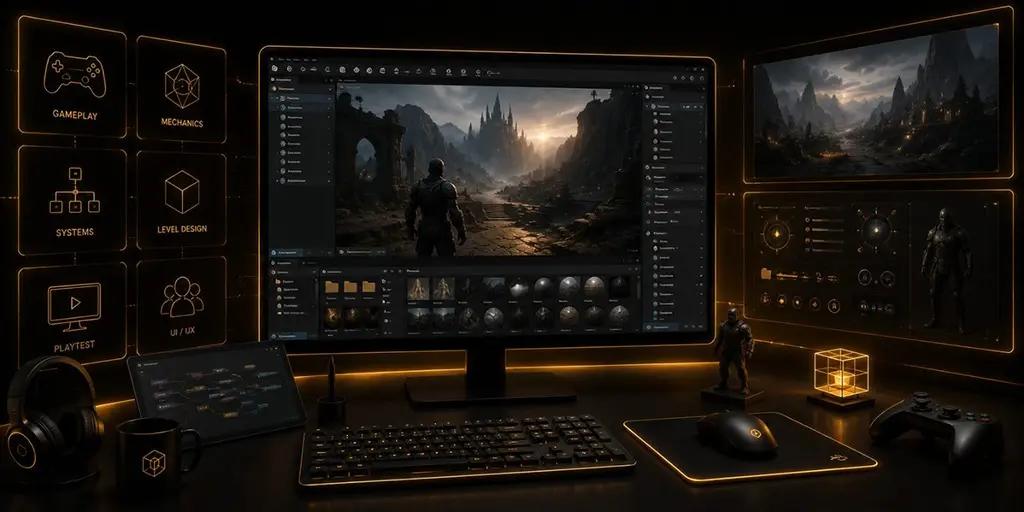
A game is more than characters, graphics, and a story. Behind every good game are hundreds of small choices. How should a player move? What makes a challenge fun? When should a reward appear? How should a level guide the player without telling them what to do?
That is where game design begins. Game design brings together gameplay, player behaviour, storytelling, systems, levels, and interactive experiences. It also connects with development, art, animation, sound, and technology. A strong idea only becomes a game when these parts work together.
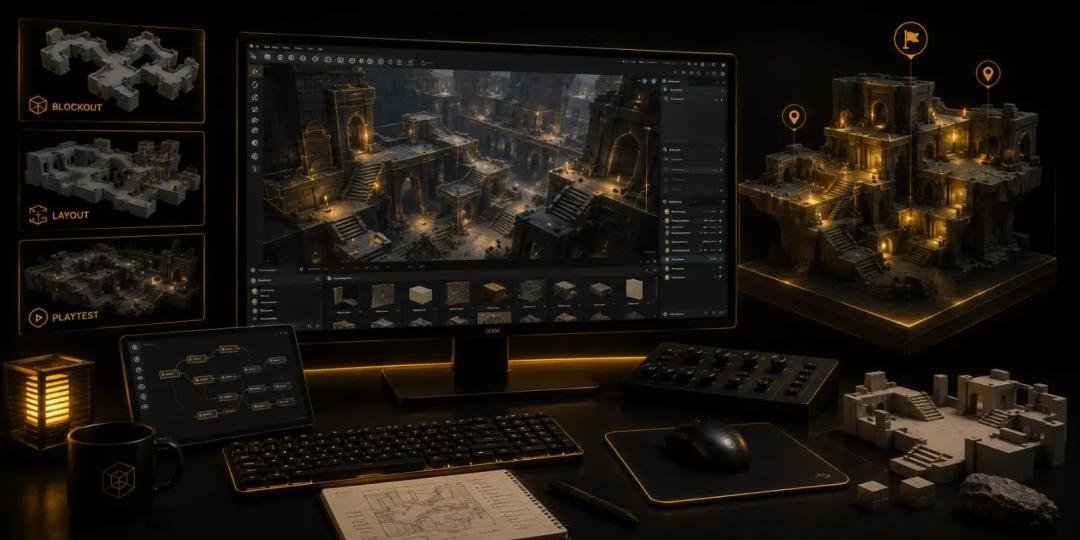
There is more than one way to enter this field. Game Design focuses on the rules, mechanics, systems, and choices that shape play. Level Design focuses on the spaces where those choices happen, from player movement to challenges and exploration. Interactive Experiences take these ideas further into areas such as immersive media and digital interaction.
The right starting point depends on the kind of creator a student wants to become. Someone who enjoys solving gameplay problems may find Game Design more suitable. Someone who thinks about spaces, routes, and challenges may prefer Level Design. Those interested in games, interactive media, and immersive experiences may want a wider path.
At OREAL World, game design training in Noida is built around making and testing ideas rather than learning theory alone. Projects, prototypes, design documents, level layouts, and interactive concepts help turn creative thinking into practical work.
For students exploring gaming courses after 12th, beginners entering the field, or learners looking for professional game design courses, the department offers different routes into the industry. The goal is not only to understand how games are made, but to develop the thinking needed to design experiences that people want to play.
Ecosystem & Proficiency
Software We Master
 Unity
Unity Unreal Engine
 Figma
Figma Notion
 ChatGPT
FAQ — Game Design
It depends on what you enjoy designing. Professional Game Design suits students interested in mechanics, systems, and player experience. Level Design is better for those who enjoy creating playable spaces and challenges. The Career Program is broader and combines game design with interactive and immersive experiences.
Yes. Game design focuses mainly on gameplay, systems, player behaviour, levels, and experience. Some programmes may introduce game engines or prototypes, but you do not need to become a programmer to start learning game design.
Projects can include game concepts, gameplay prototypes, Game Design Documents, level layouts, playable levels, and interactive experiences, depending on the programme you choose.
No. Game design principles can also be used in interactive media, simulations, AR/VR, immersive experiences, and other digital products where users interact with systems, spaces, and choices.
Depending on your specialisation, you can explore roles such as Game Designer, Systems Designer, Level Designer, Environment Designer, Narrative Designer, Gameplay Designer, or Interactive Experience Designer.
Want the full curriculum?
Get the 2026 Course Guide and Career Outcomes report.
Career Trajectories
Our students turn creativity into career opportunities through production-focused learning and industry exposure.
Technical Track
- Technical Artist
- Gameplay Programming
- Engine Developer
Creative Track
- Level Designer
- UI/UX Designer
- Narrative Designer
Production Track
- Game Producer
- Esports Manager
- Creative Director